
Garden Design for Retired Couples | Creating Comfort for the Next Chapter
Introduction
At certain stages of life, the conversations around the design of your garden begin to change.
For many retired couples — particularly those who have lived in their homes for decades — the rhythm of the house shifts. Children leave home. Travel becomes less frequent. The pace softens.
There is more time at home.
The garden, once something fitted around everything else, begins to feel central again.
Redesigning it is rarely about making a statement. It is about shaping a space for comfort, longevity and daily enjoyment.
Designing for retired couples is different. It is slower. More deliberate. More reflective.
When Life Settles Into a New Rhythm
Retirement brings clarity.
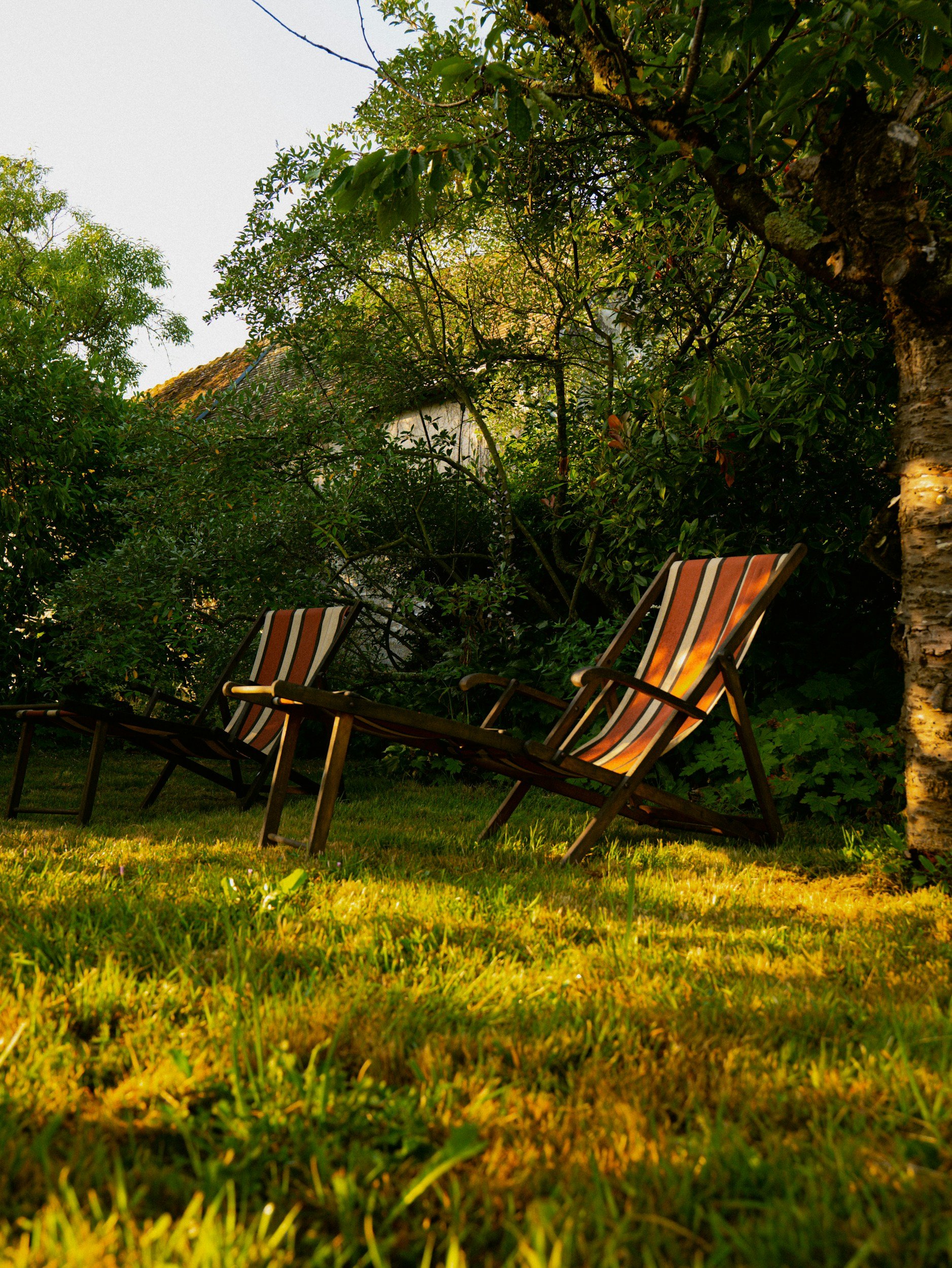
Without the demands of work and family logistics, the garden becomes part of the everyday routine. Morning coffee outdoors. A short walk through planting. An evening seat as the light fades.
This shift is quiet but meaningful.
Maintenance tolerance often changes. Level changes that once felt insignificant become noticeable. What matters now is ease.
Not dramatic change — but refinement.
Designing for Ease of Movement
Movement through the garden deserves careful thought.
This does not mean visible adjustments. It means proportion and foresight.
Generous tread depths.
Subtle changes in level.
Surfaces that feel secure underfoot without appearing heavy.
Paths feel slightly wider. Routes become more intentional. Transitions are softened rather than abrupt.
And importantly, the garden includes places to pause.
A seat partway along a path.
A bench positioned to catch the evening sun.
A terrace close enough to the house to be used without hesitation.
Movement becomes less about crossing space and more about inhabiting it.
The design allows time.
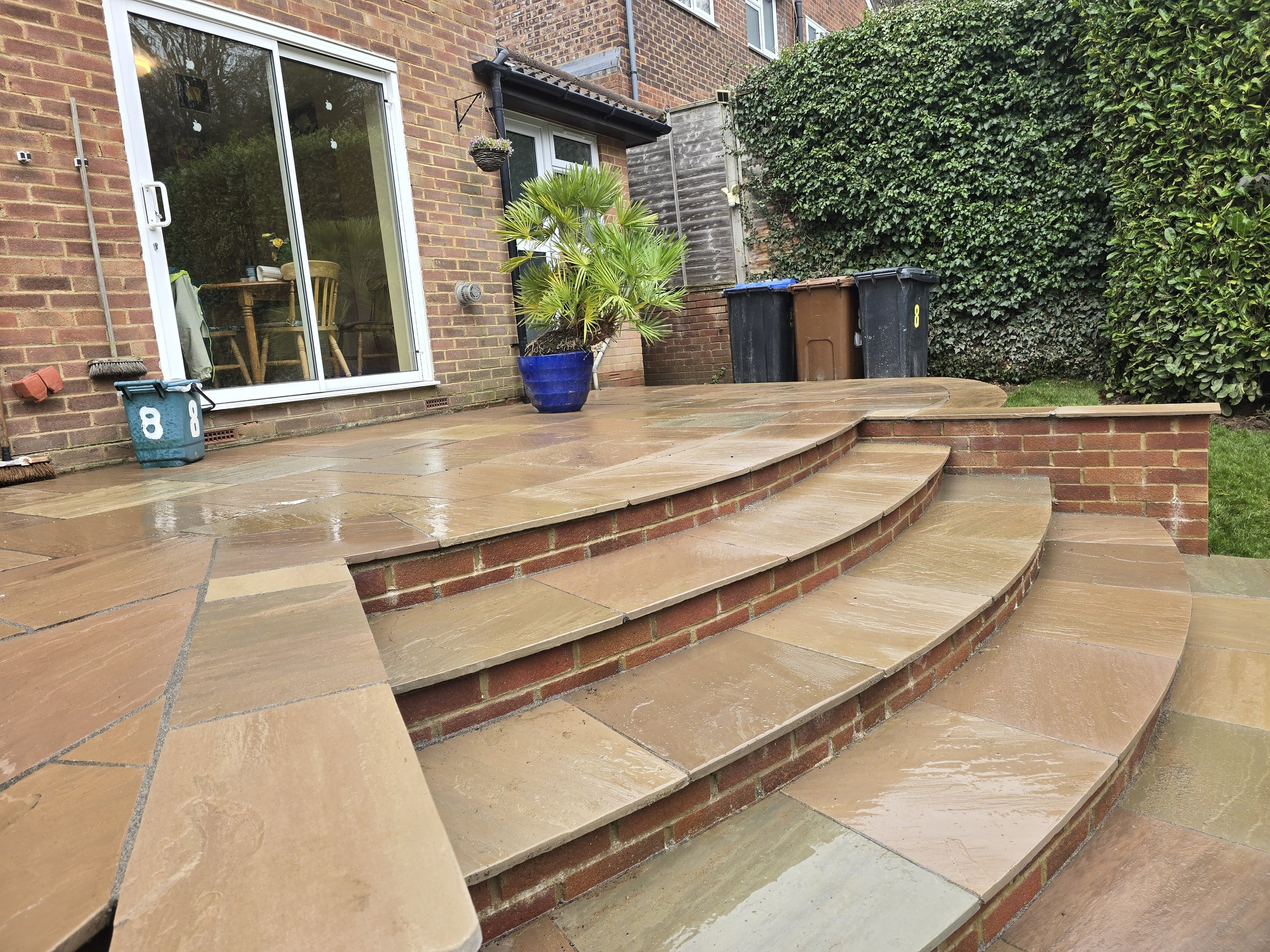
Wide generous steps with small riser
Comfort and Daily Use
In this stage of life, gardens are used differently.
There is more daytime use. More observation. More lingering.
Seating becomes purposeful rather than decorative. Shade and shelter matter. Proximity to the house is considered carefully, particularly in colder months.
Instead of multiple features competing for attention, the emphasis shifts toward a few well-proportioned spaces that feel calm and settled.
Restraint becomes a strength.
A Gentle Approach to Maintenance
Maintenance is not removed — it is refined.
Planting is often simplified, though never stripped back to the point of feeling sparse. A strong evergreen framework provides year-round structure, with seasonal interest layered thoughtfully rather than densely.
Practical measures reduce unnecessary tasks. Bark mulch helps suppress weeds and retain moisture. Clean edging allows lawns to remain neat without constant reshaping. Access routes are designed so tending the garden feels manageable rather than demanding.
The intention is not to simplify for its own sake.
It is to allow the garden to remain generous without becoming burdensome.
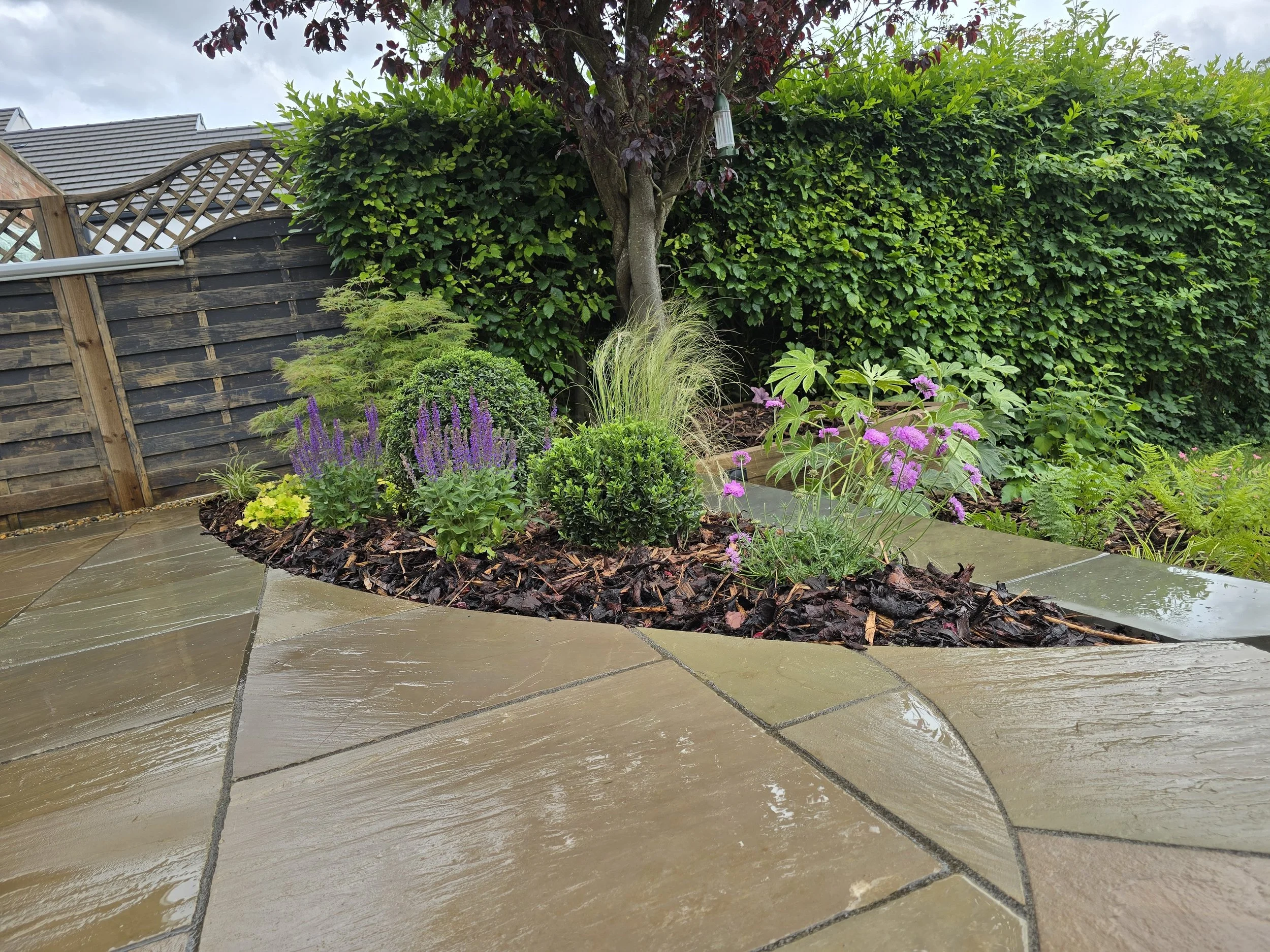
Low maintenance planted border finished with bark.
Longevity and Peace of Mind
Many retired couples intend to remain in their homes for years to come.
The garden therefore needs to perform for the long term.
This means attention below ground as much as above it. Proper sub-bases. Drainage designed for modern rainfall. Materials chosen for durability and graceful ageing.
Good design at this stage is about peace of mind.
A garden that settles.
A garden that matures.
A garden that does not require reinvention in five years’ time.
Restraint Over Spectacle
When significant investment is available, there can be a temptation to add more.
More lighting. More features. More planting.
Yet the most successful later-life gardens are often the most restrained.
They provide breathing space.
They allow visual rest.
They feel composed rather than busy.
Often, what is required is not reinvention, but refinement.
Closing Reflection
Designing a garden for retired couples is not about slowing life down.
It is about making space for what matters now.
A path that feels easy underfoot.
A place to sit as the evening light softens.
Planting that looks settled rather than restless.
When handled thoughtfully, the garden does not demand attention.
It offers reassurance.
And at this stage of life, that can be invaluable.
